What We Do

Services

Every job we quote, from a cracked driveway to a full parking lot repave.

Home › Services

Everything we take on

Every job below is one we do ourselves across Oyster Bay.

Asphalt Driveway Paving

We excavate the old driveway, grade the sub-base, and compact it in lifts before any hot mix goes down. A residential driveway usually gets a 2-inch binder course and a 1.5-inch surface course, more if cars or trucks sit heavy on one spot. Stay off it for at least three days, longer if the weather stays cool.

Asphalt Parking Lot Paving

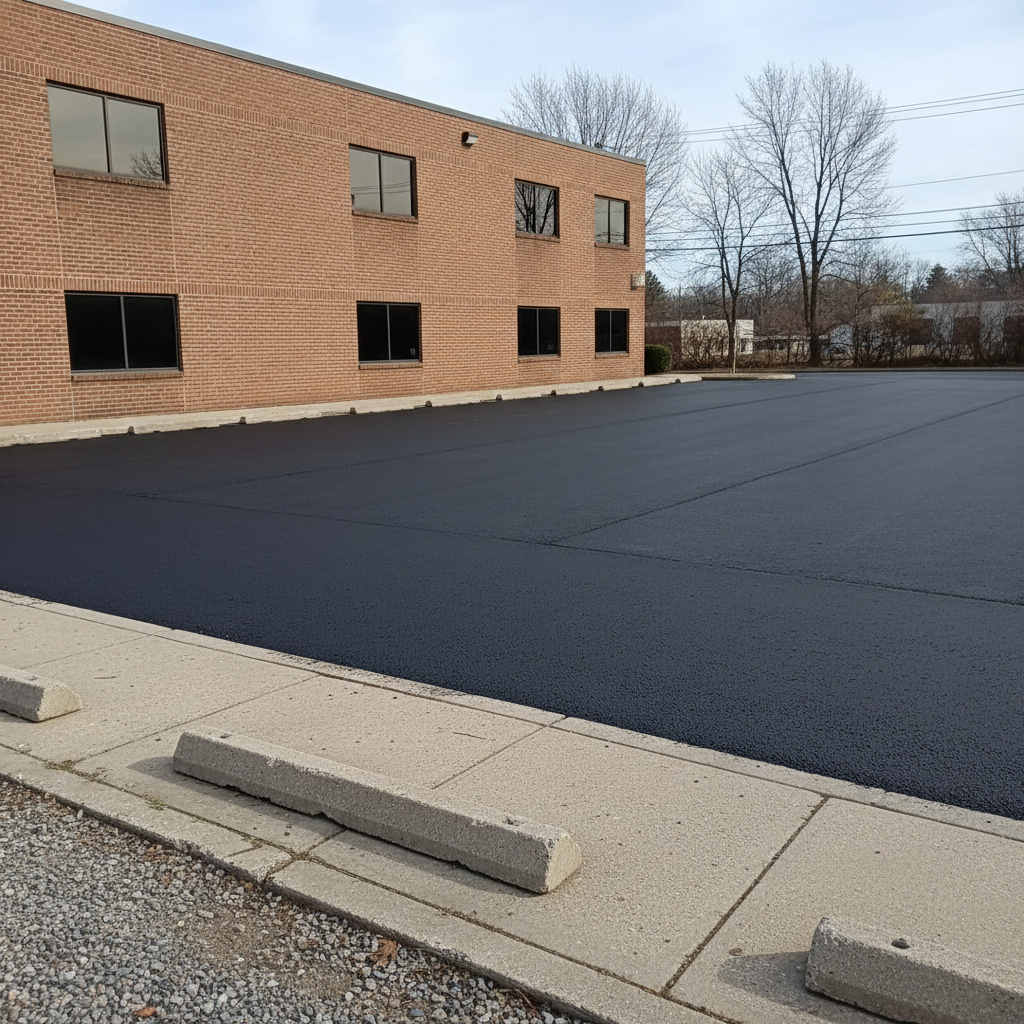
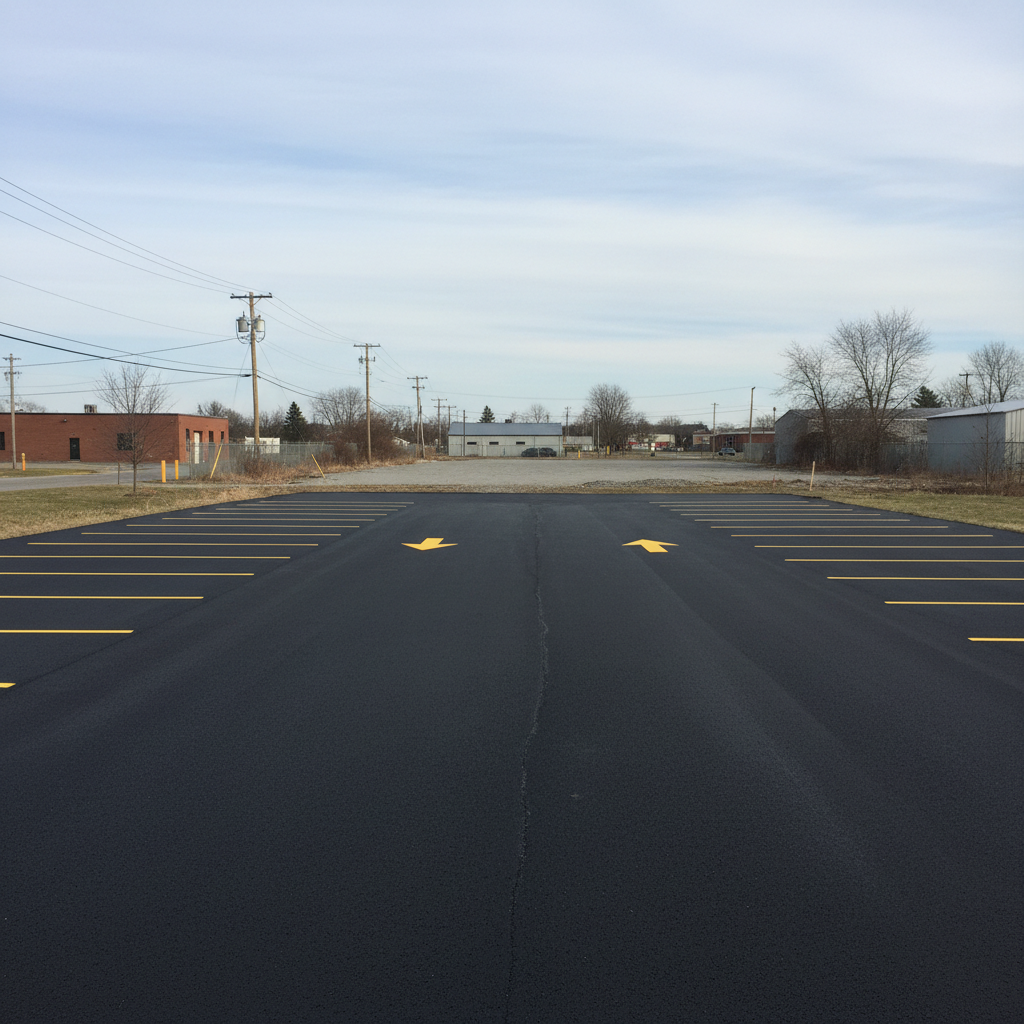
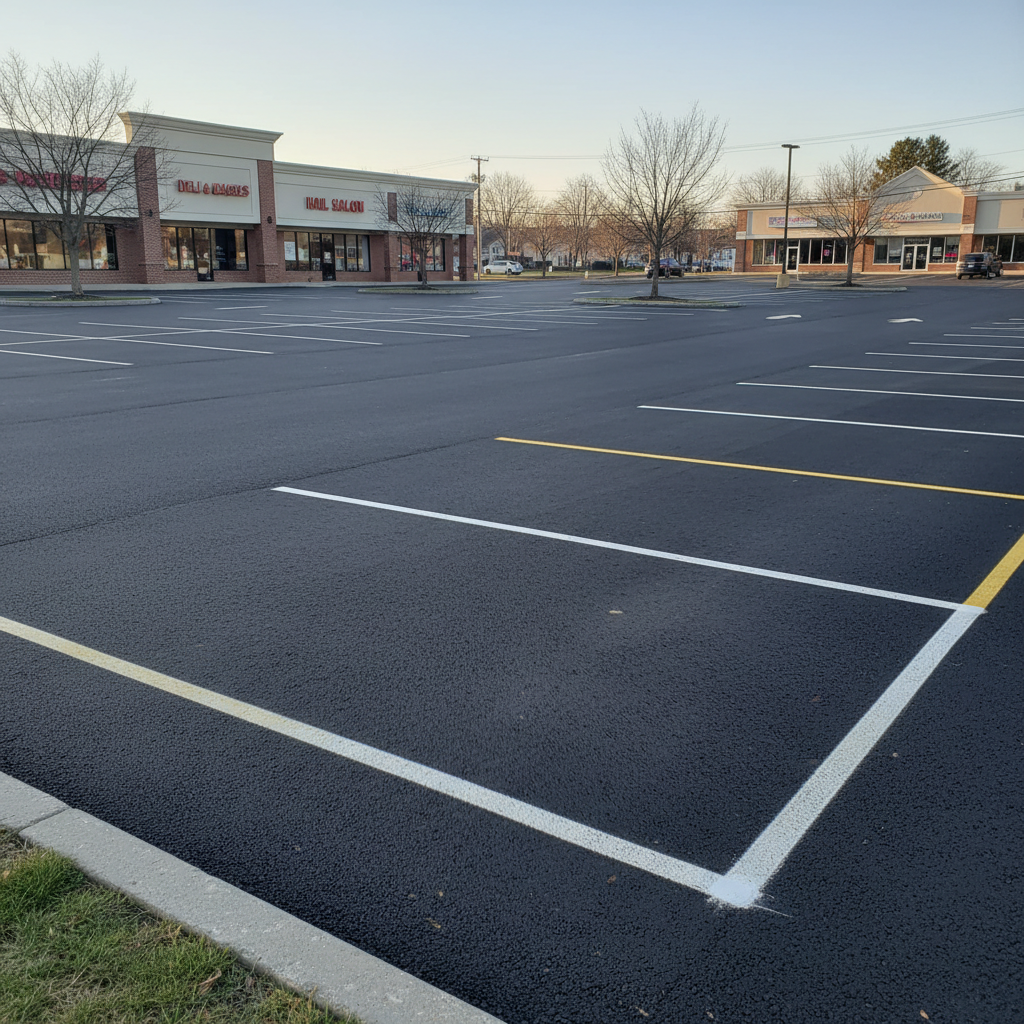
Commercial lots call for more base prep than driveways because of the weight and the traffic pattern, especially near dumpster pads and loading areas. We grade for drainage toward the catch basins before we pave, so you're not left with standing water after the first rain. Striping and ADA-compliant spacing come after the asphalt cures, not before.

Asphalt Sealcoating

Sealcoating is cheap compared to repaving, and it's the one thing most homeowners skip until the driveway is already cracked. A coat every two to three years keeps UV, gas and oil off the asphalt binder, so the surface doesn't dry out and start to ravel.

Asphalt Crack Filling

Hairline cracks let water into the base, and once water gets under asphalt it freezes, expands, and turns a crack into a pothole. We rout and clean each crack before filling it with hot rubberized sealant, not the cold-pour stuff from a hardware store that pops out after one winter.

Pothole Repair

A pothole means the base underneath has already failed, so patching the surface without fixing the base just buys a season. We cut out the damaged area square, replace the broken base material, and compact it before patching with hot mix. Cold patch gets you through until we can do it right if the ground's frozen.

Asphalt Resurfacing

If the base is still sound but the surface is cracked and faded, an overlay puts a new 1.5 to 2-inch layer of asphalt over the old one instead of tearing it out. It's faster and cheaper than full removal, but we'll tell you honestly if the base has failed too far for an overlay to hold.

Asphalt Milling

Milling grinds off the top layer of old asphalt so a new surface sits flush with garage floors, curbs, and manhole covers instead of building up height every time it's repaved. It also gives us a clean, rough surface for the new asphalt to bond to.

Asphalt Driveway Repair

Sunken sections, alligator cracking, and edges crumbling where the lawn meets the blacktop are the three repairs we see most. Sometimes a section can be cut out and patched, sometimes the whole drive has to come up because the base gave out everywhere, not just the one spot you noticed.

Line Striping

Parking lots require fresh striping every year or two once traffic and weather wear it down, and faded lines are a liability problem as much as a looks problem. We stripe for standard spaces, fire lanes, and ADA spots to code.

Asphalt Apron & Curb Work

The apron where your driveway meets the street takes more abuse than any other section, between plows, delivery trucks, and the town's own equipment. We tie new apron asphalt into the existing curb and road joint so it doesn't separate and become a tripping hazard.

How It Works

Four steps, and no surprises in any of them.

01

We come and look

You tell us what you want doing, we look at what is actually there, and we ask the awkward questions early.

02

You get a price

In writing, itemised, free. If something might add cost later we flag it now rather than at the end.

03

We do the work

Same crew throughout. We cover your floors, keep the dust down and tidy up before we leave each day.

04

We walk it with you

You point out anything you are not happy with and we fix it before the invoice, not after.

Where We Work

All of this, across Oyster Bay, NY

Paving crews and equipment cover these Long Island communities.

Oyster Bay, NY
Hempstead, NY
Huntington, NY
Levittown, NY
Massapequa, NY
Smithtown, NY
Glen Cove, NY
Syosset, NY
Farmingdale, NY
Plainview, NY
Great Neck, NY
Common Questions

Things worth asking

Questions that come up once a project is underway.

Do I need a permit to repave my driveway?
Many towns require a permit for driveway apron work where it connects to the street, since that section ties into municipal curb and drainage, but repaving the existing driveway surface itself often doesn't require one. Check with the local building department before work starts, since requirements vary by municipality.
How long does a driveway paving job take?
A standard residential driveway paving job usually takes one to two days, from excavation and base compaction through laying and rolling the asphalt. Add a day if the old driveway has to be fully removed or if drainage grading is part of the job.
Can asphalt paving be done on a set budget?
Asphalt thickness, base depth, and square footage can all be adjusted to fit a budget, though cutting base depth too much shortens how long the driveway lasts. A contractor should explain what gets sacrificed at a lower price point rather than just quoting a number.
Do asphalt contractors guarantee the work?
Reputable asphalt contractors offer a workmanship warranty covering issues like premature cracking or settling tied to installation, separate from normal wear like fading or minor surface cracks that come with age. Ask what's specifically covered and for how long before signing a contract.
Who handles day-to-day questions once a paving job starts?
On most paving jobs, the crew lead or foreman on site is the point of contact for day-to-day questions, with the estimator or owner available for anything about scope or pricing changes. Get a direct phone number for whoever is running the job before it starts.
What kind of asphalt mix gets used on driveways?
Residential driveways typically use a dense-graded hot mix asphalt, laid as a binder course followed by a finer surface course. Commercial lots sometimes call for a heavier mix spec depending on truck traffic, which should be accounted for in the quote.
Can I stay home during driveway paving work?
Staying in the house during driveway paving is fine, but the driveway itself will be unusable for several days during the work and curing period. Plan an alternate place to park, since driving on fresh asphalt too soon leaves tire marks and can cause rutting.
How should the site be prepared before the crew arrives?
Vehicles, trash cans, and anything stored near the driveway or lot should be cleared before the crew arrives, along with access for the paver and roller equipment. Sprinkler heads, utility covers, and drainage lines near the work area should be pointed out ahead of time.
What happens if a bigger problem turns up once the old asphalt comes up?
Removing old asphalt sometimes reveals a sub-base that's saturated, undersized, or mixed with organic material that won't compact properly, which isn't always visible before excavation. That should be flagged at the time, since paving over a bad base just moves the failure a few years down the road instead of fixing it.
How should a new asphalt driveway be cared for?
New asphalt should be kept free of vehicle traffic for at least three days and avoid sharp turns or power steering while parked for several weeks, since the surface is still curing. Sealcoating a new driveway for the first time usually happens six to twelve months after installation, once the asphalt has fully cured.

Not sure what you need?

Describe the problem and we will tell you what it probably is. No obligation.
Call (516) 920-0093